

BLINK
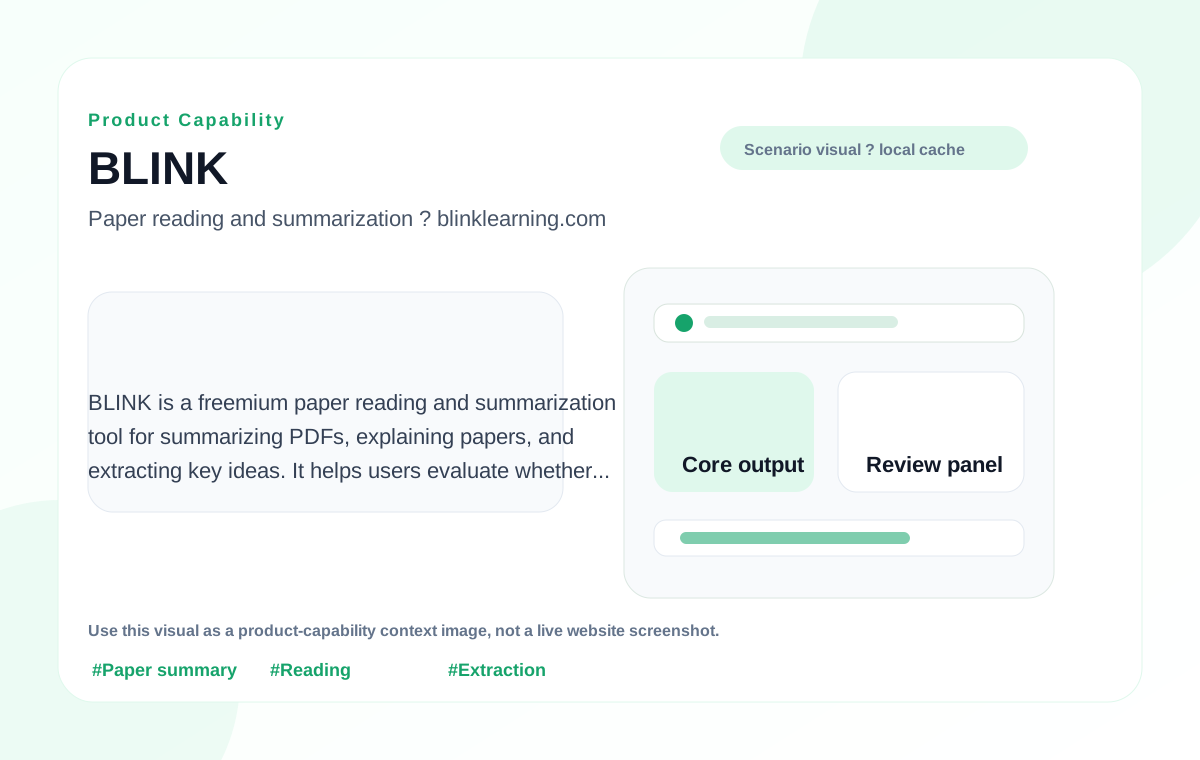
Verified ProfileBLINK is a freemium paper reading and summarization tool for summarizing PDFs, explaining papers, and extracting key ideas.
Freemium
Access Signal
Web
Platform
Research
Category
2026
Reviewed
Last synced September 9, 2026. Official data may change on the provider website.
Visual References
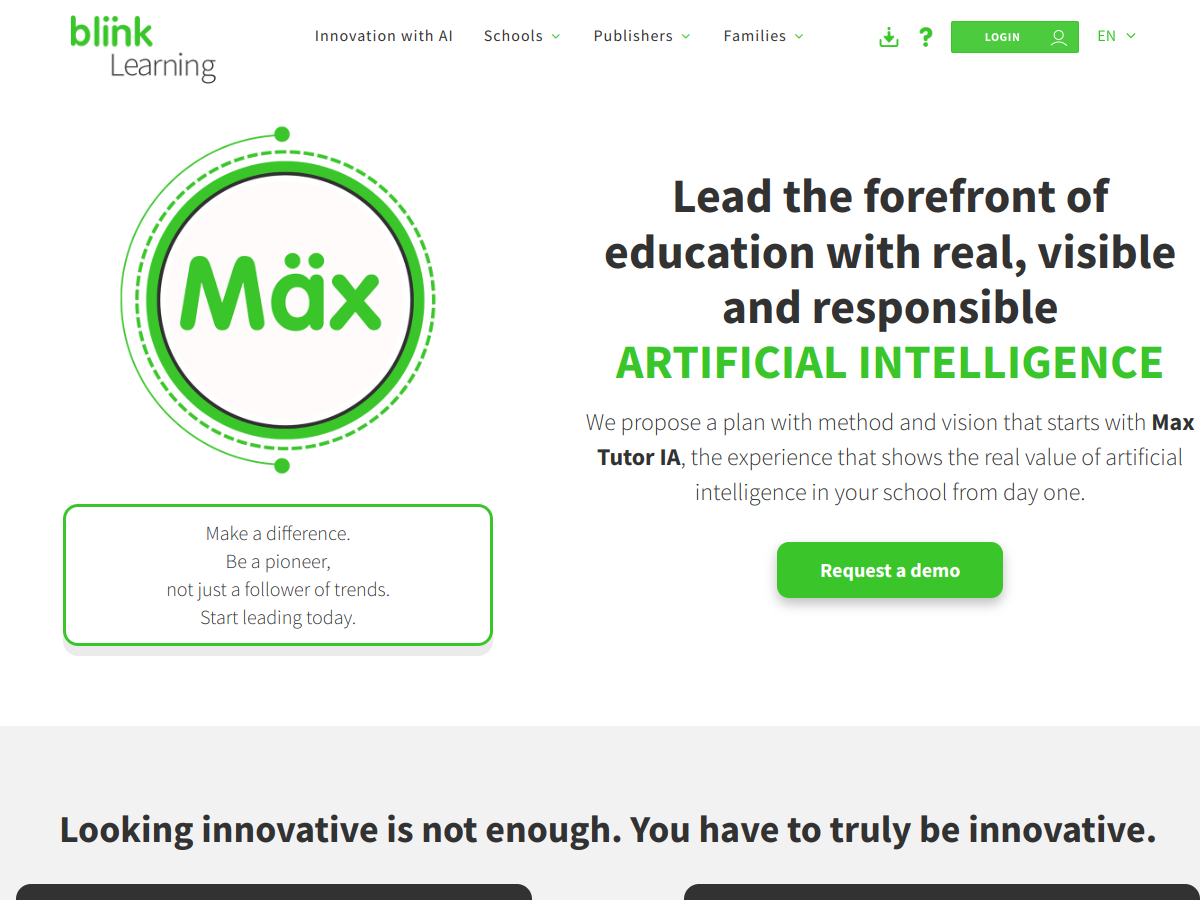
Official preview, product capability, and workflow context
Overview
BLINK is positioned as a paper reading and summarization solution for summarizing PDFs, explaining papers, and extracting key ideas.
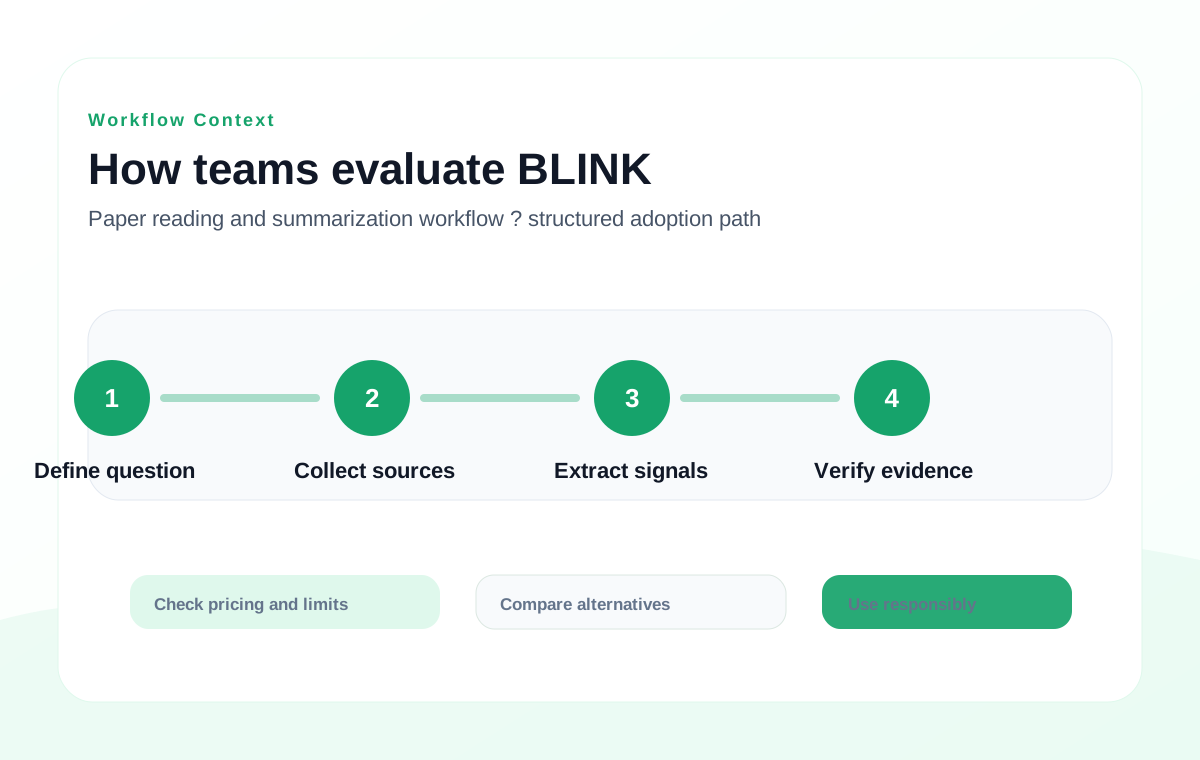
The tool is best evaluated by testing it with a real workflow, checking output quality, reviewing privacy or licensing requirements, and confirming current pricing directly from the official provider.
This profile summarizes the tool before users continue to the official website.
Ratings & Evaluation
Directory-level scoring for comparison
User Rating
4.4/ 5
★★★★★
Editor evaluation based on official positioning, category fit, pricing visibility, feature depth, and practical workflow value for paper reading and summarization.
Editor Score
4.5/ 5
Category Fit88%
Workflow Value89%
Ease of Evaluation82%
Pricing Clarity81%
Key Features
1
Paper reading and summarization
Focused on summarizing PDFs, explaining papers, and extracting key ideas, making it relevant for users comparing tools in the AI Research Tools category.
2
Official product workflow
Primary access is through Web, so users should test the official workflow before adopting it for production use.
3
Practical evaluation path
Supports a real-world trial process: define the task, test with representative inputs, compare outputs, and verify limits.
4
Category comparison fit
Can be compared with nearby tools using the same criteria: output quality, speed, pricing, privacy, collaboration, and export options.
5
Production readiness checks
Teams should review data handling, commercial rights, API availability, collaboration controls, and support before using it at scale.
6
Current provider information
This profile records official URL reachability and pricing visibility so users can distinguish verified facts from items that require provider confirmation.
Pros & Cons
Pros
- ✓ Clear fit for paper reading and summarization workflows
- ✓ Useful when evaluated with real tasks instead of generic demos
- ✓ Official website was included as the primary source for current product information
- ✓ Structured comparison data helps users shortlist alternatives faster
Limitations
- • Exact pricing, feature limits, or free-tier rules can change without notice
- • Some official pricing pages are dynamic, region-specific, or sales-led
- • Production use may require privacy, licensing, compliance, or API review
- • Output quality and reliability should be validated with real workflow tests
Pricing Overview
BLINK has an official or provider-controlled pricing/product page available for current plan review. The table below records public pricing signals where they could be confirmed.
| Plan | Price Signal | Best For | Notes |
|---|---|---|---|
| Official pricing page | Published by provider | Current purchase decision | Open the official pricing page to confirm plan names, limits, billing period, taxes, and region. |
Pricing rechecked on June 9, 2026. Amounts, billing periods, regional taxes, credits, and plan limits should be verified on the official pricing page before purchase.
Alternatives
SS
Semantic Scholar
Free
Semantic Scholar is a free AI-powered academic search engine for discovering papers, understanding citation context, tracking authors, and accessing scholarly metadata through an API.
CO
Consensus
Freemium
Consensus is a freemium AI-powered research search tool for finding evidence-backed answers from scientific papers and quickly seeing what research literature says about a question.
EL
Elicit
Freemium
Elicit is an AI research assistant for literature review, paper discovery, data extraction, evidence tables, and research reports built around academic sources.
FAQ
What is BLINK best for?+
BLINK is best for summarizing PDFs, explaining papers, and extracting key ideas. It should be tested with real inputs before relying on it for production work.
Is BLINK free?+
BLINK uses a freemium, trial, or tiered pricing model. Free access can be useful for evaluation, while serious use usually requires a paid plan.
Can BLINK be used professionally?+
It may fit professional workflows, but users should confirm current licensing, privacy, usage limits, export rights, and support terms with the official provider.
How should users evaluate BLINK?+
Compare it against alternatives using output quality, workflow fit, pricing clarity, data policy, collaboration needs, API access, and long-term maintenance cost.